


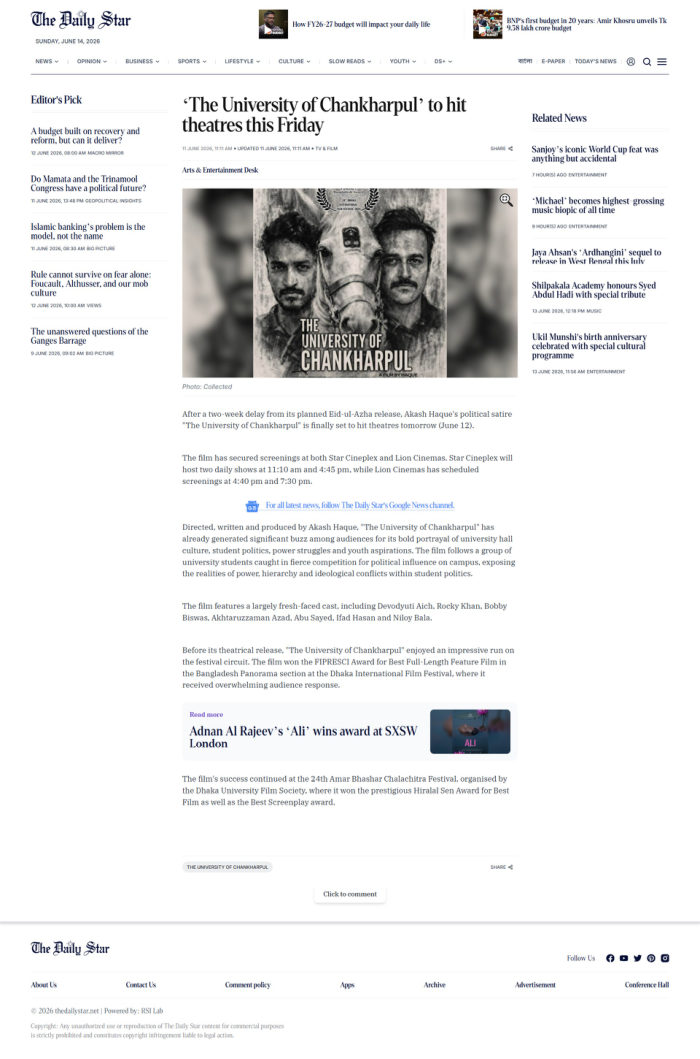
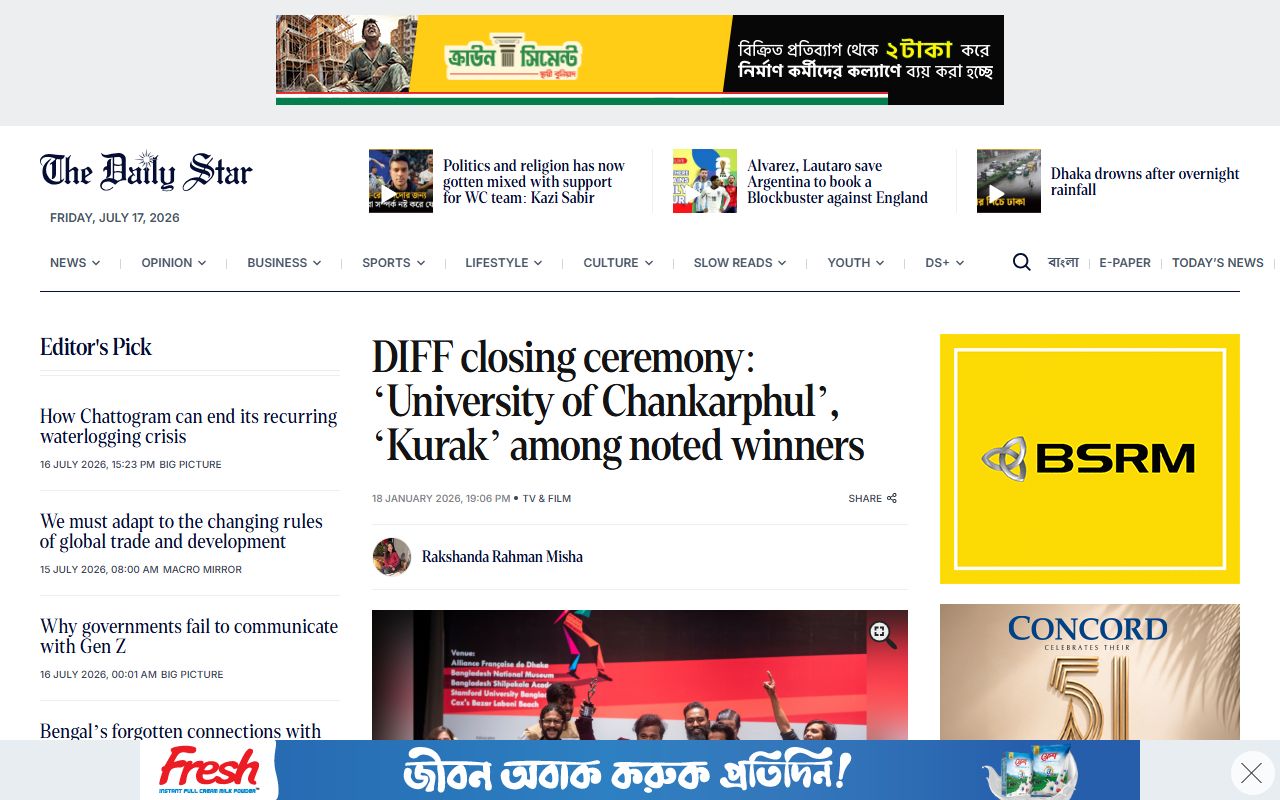
'The University of Chankharpul' to hit theatres this Friday

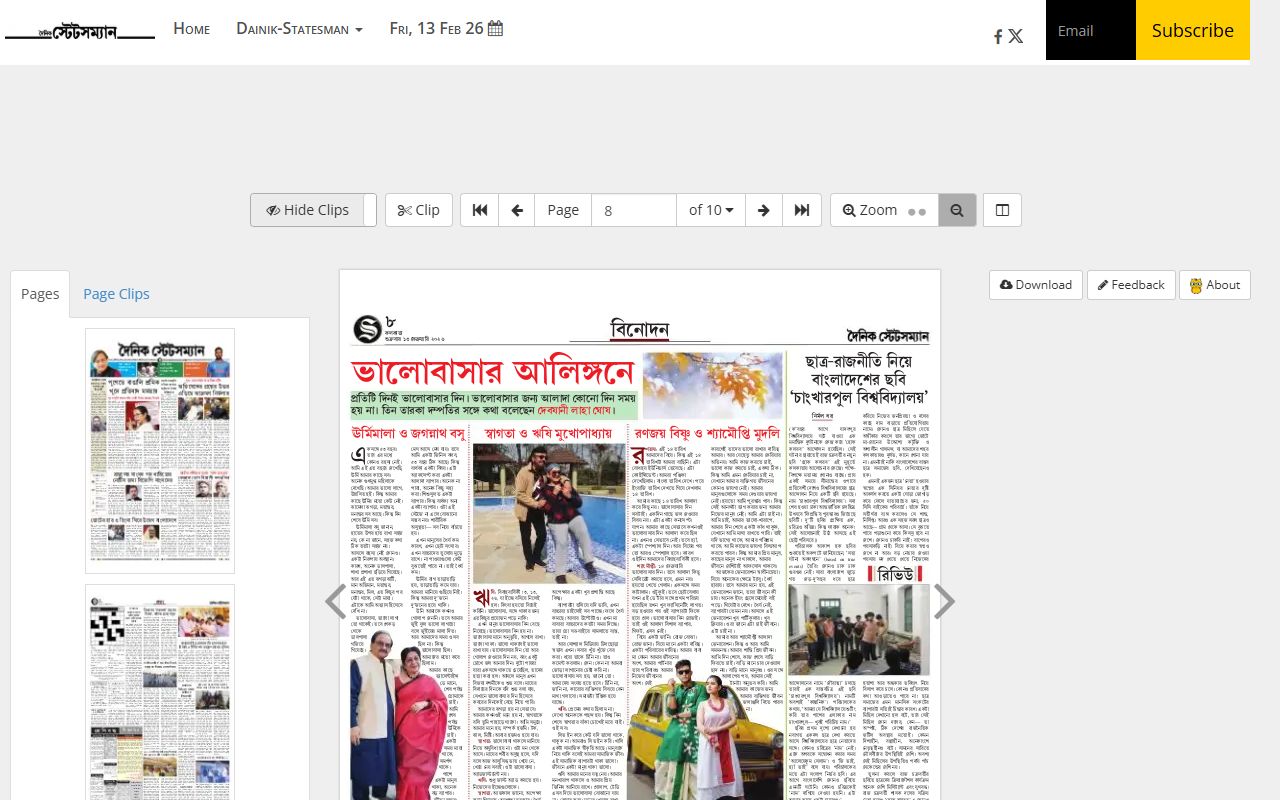
গণরুমের তিক্ত অভিজ্ঞতা থেকে সিনেমা, আজ থেকে হলে 'ইউনিভার্সিটি অব চানখারপুল'
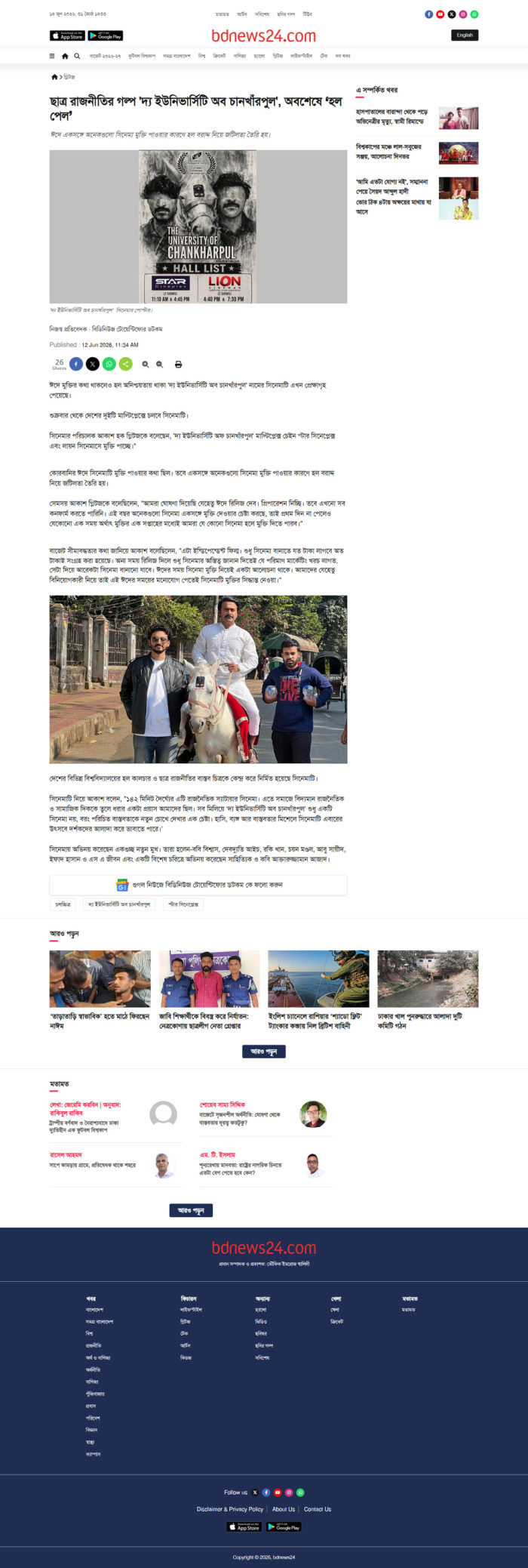
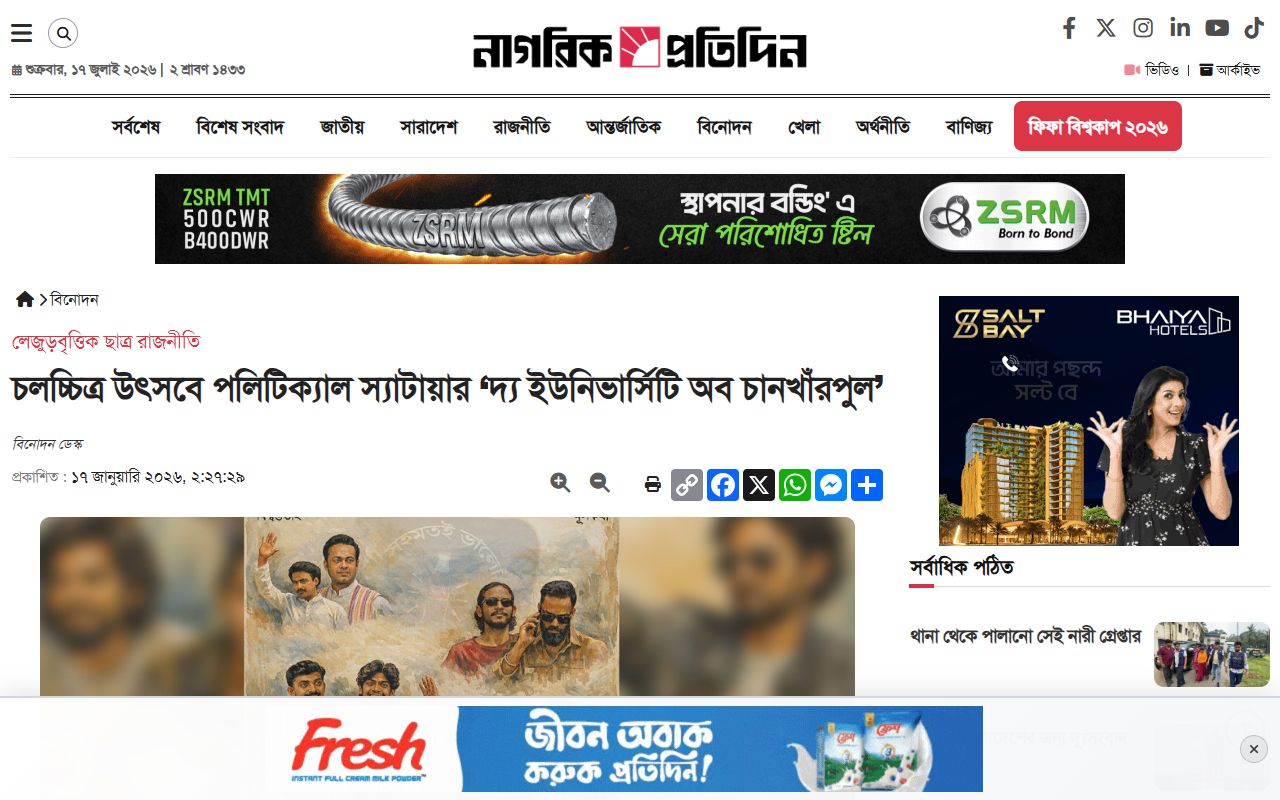
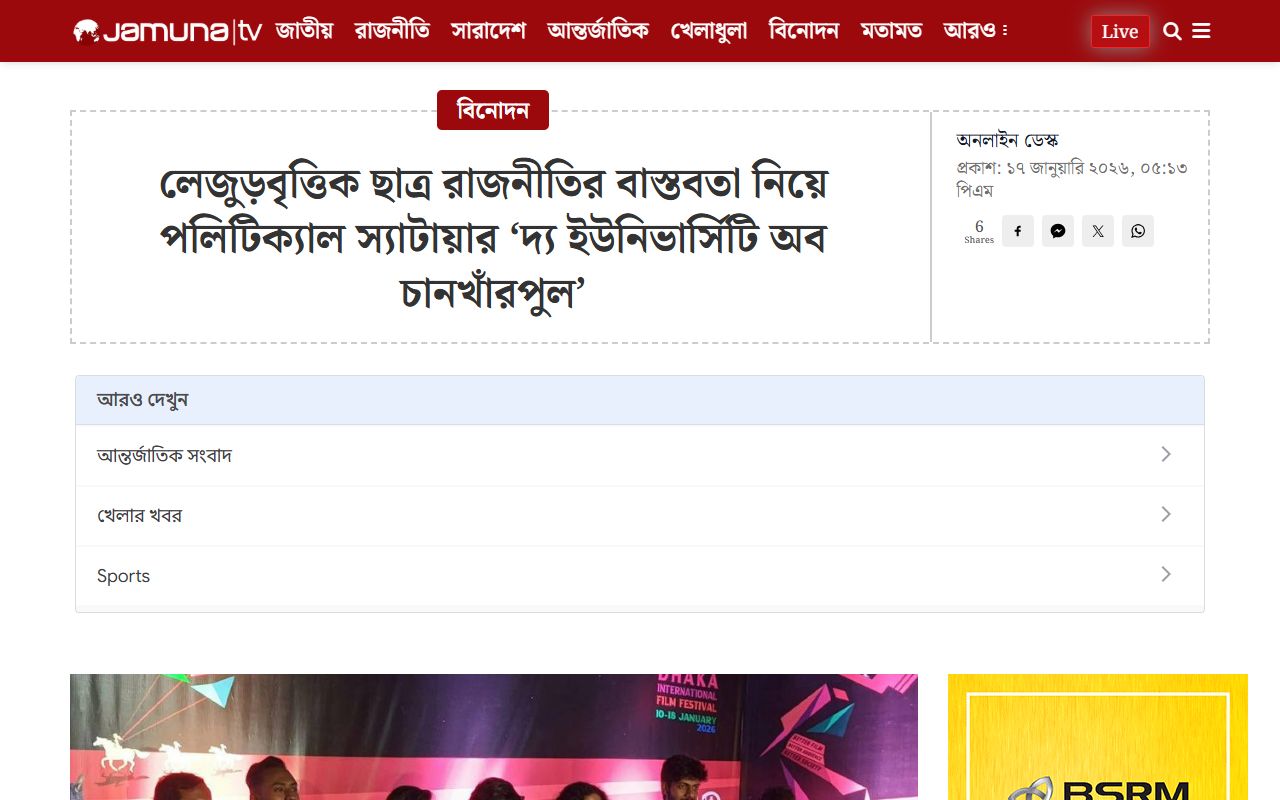
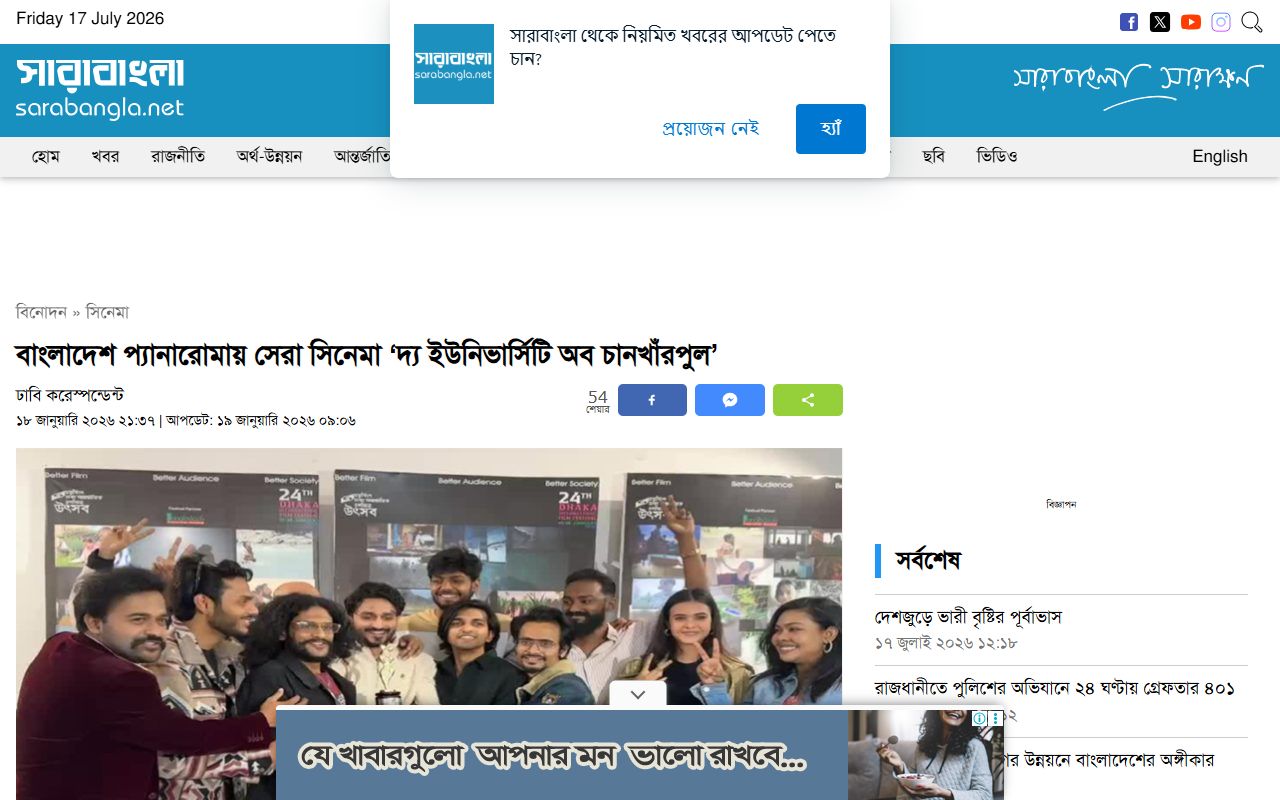
ছাত্র রাজনীতির গল্প 'দ্য ইউনিভার্সিটি অব চানখাঁরপুল', অবশেষে হলে

প্রথম দিনেই দর্শকদের প্রশংসায় ভাসছে 'দ্য ইউনিভার্সিটি অব চানখারপুল'
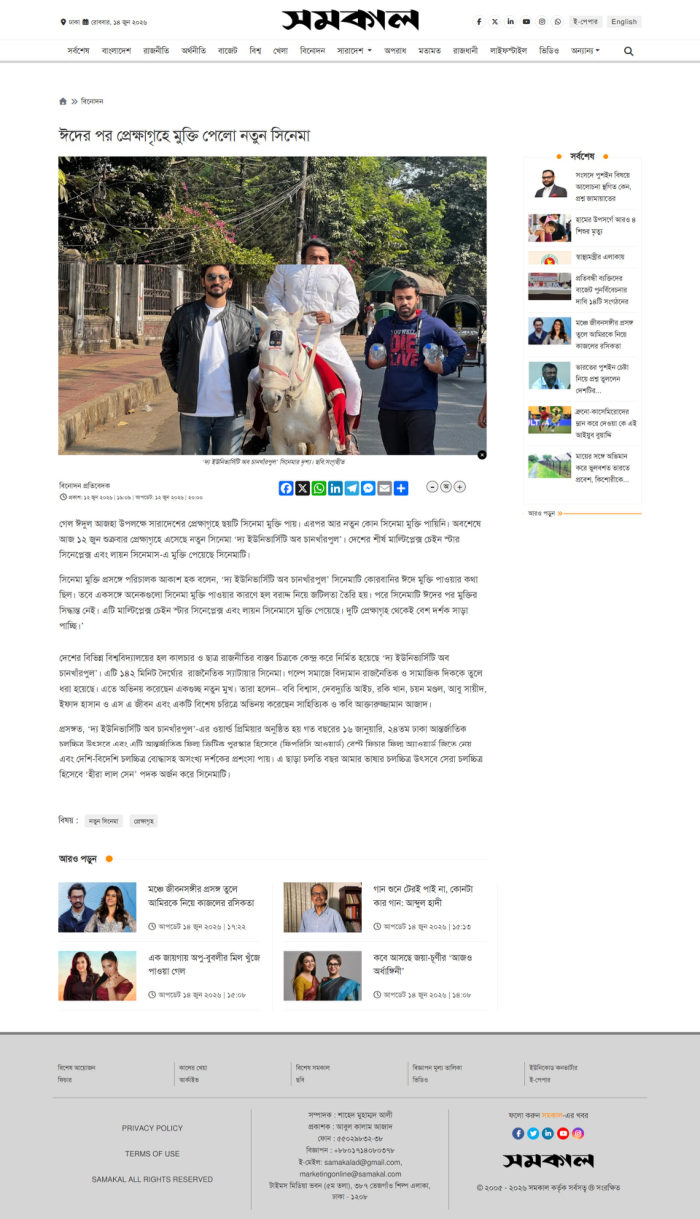
ঈদের পর প্রেক্ষাগৃহে মুক্তি পেলো নতুন সিনেমা

'সত্যিই, সিনেমা বানানোর চেয়ে মুক্তি দেয়া বেশি কঠিন'
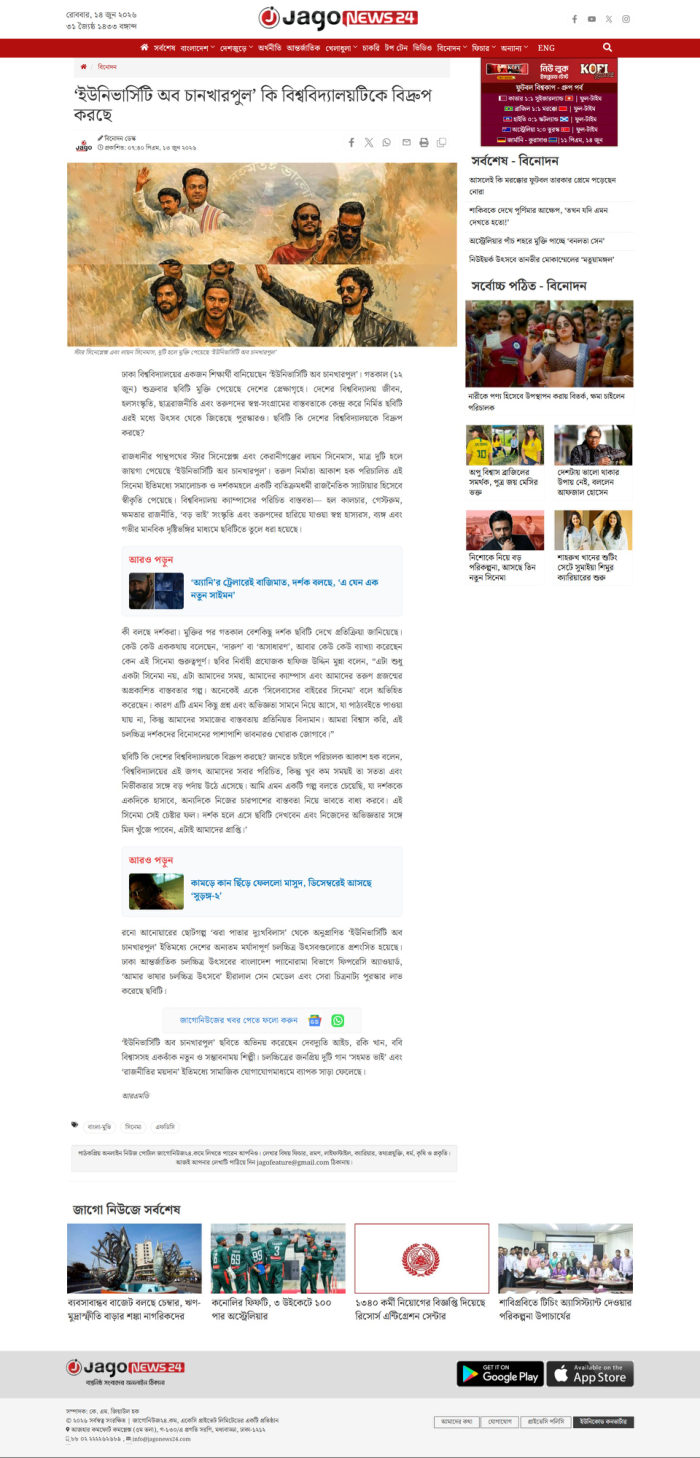
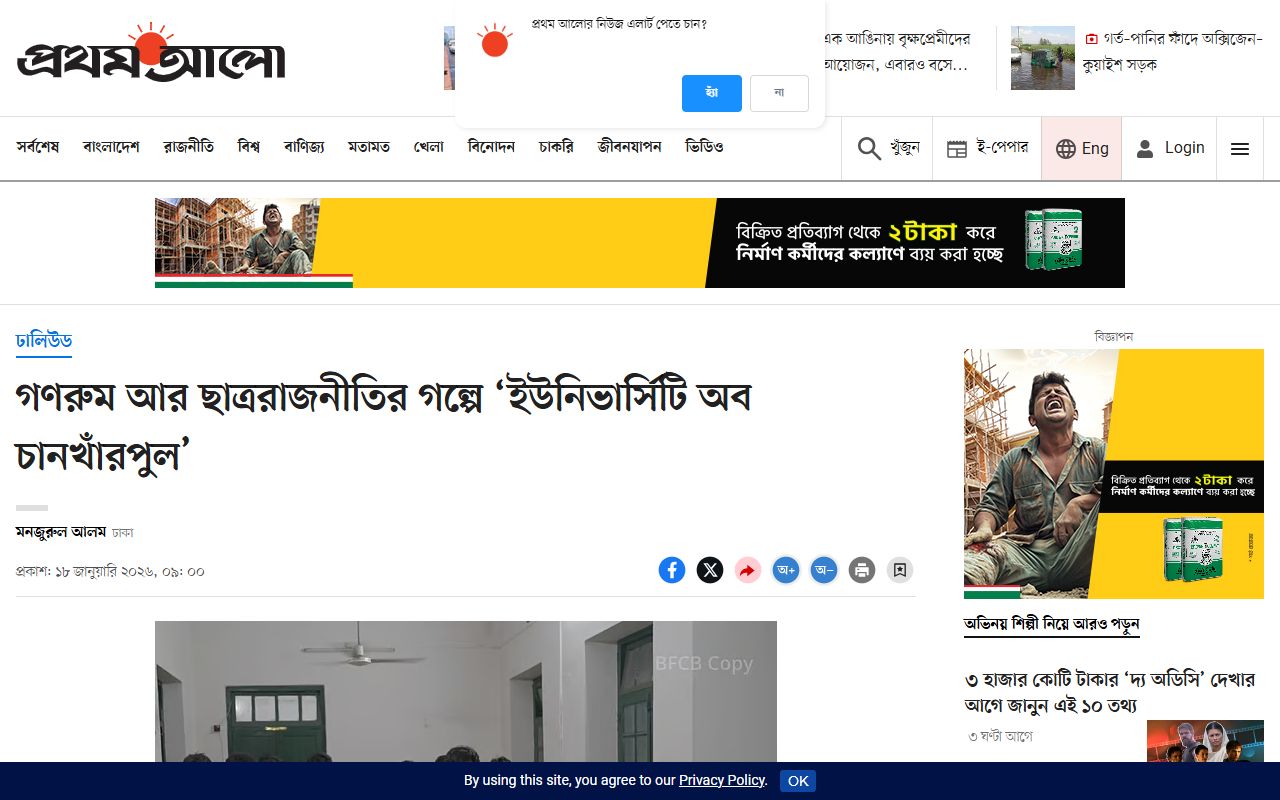
'ইউনিভার্সিটি অব চানখারপুল' কি বিশ্ববিদ্যালয়টিকে বিদ্রুপ করছে?
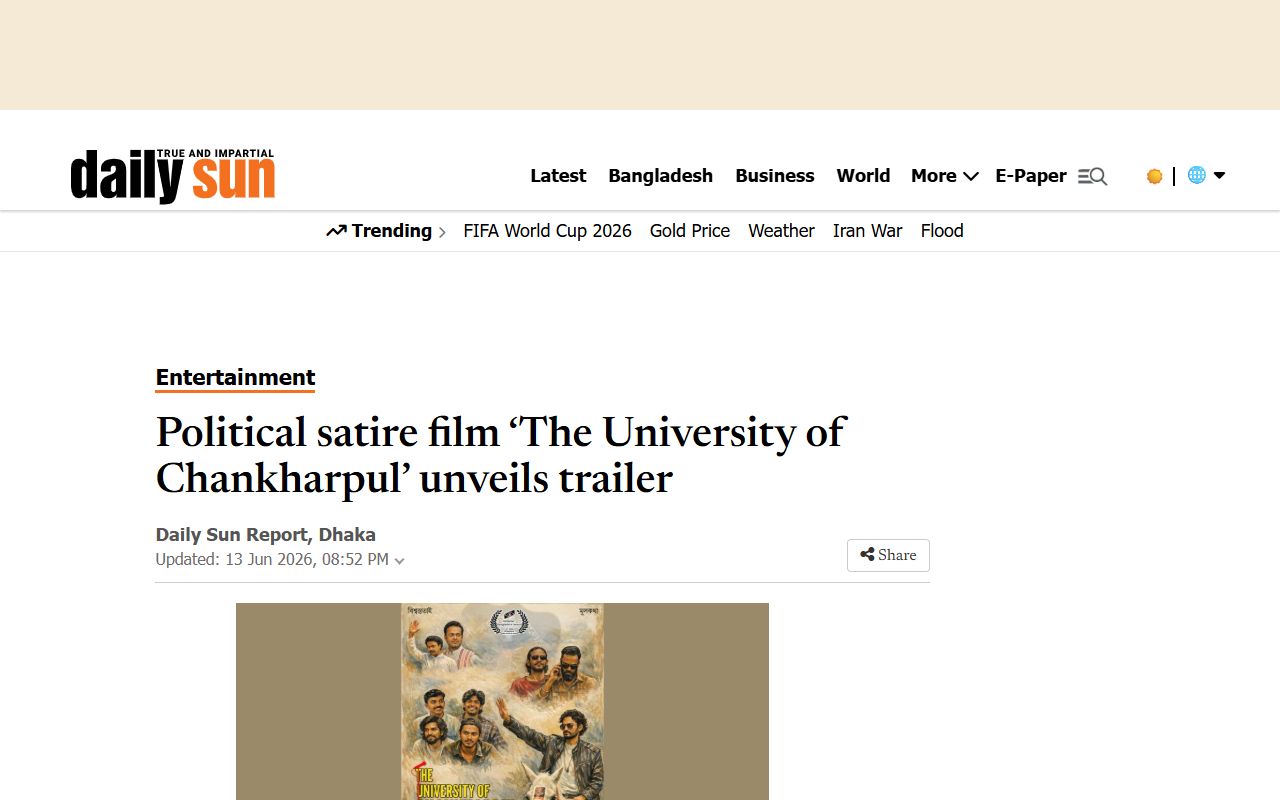
Political Satire Film "The University of Chankharpul" Unveils Trailer
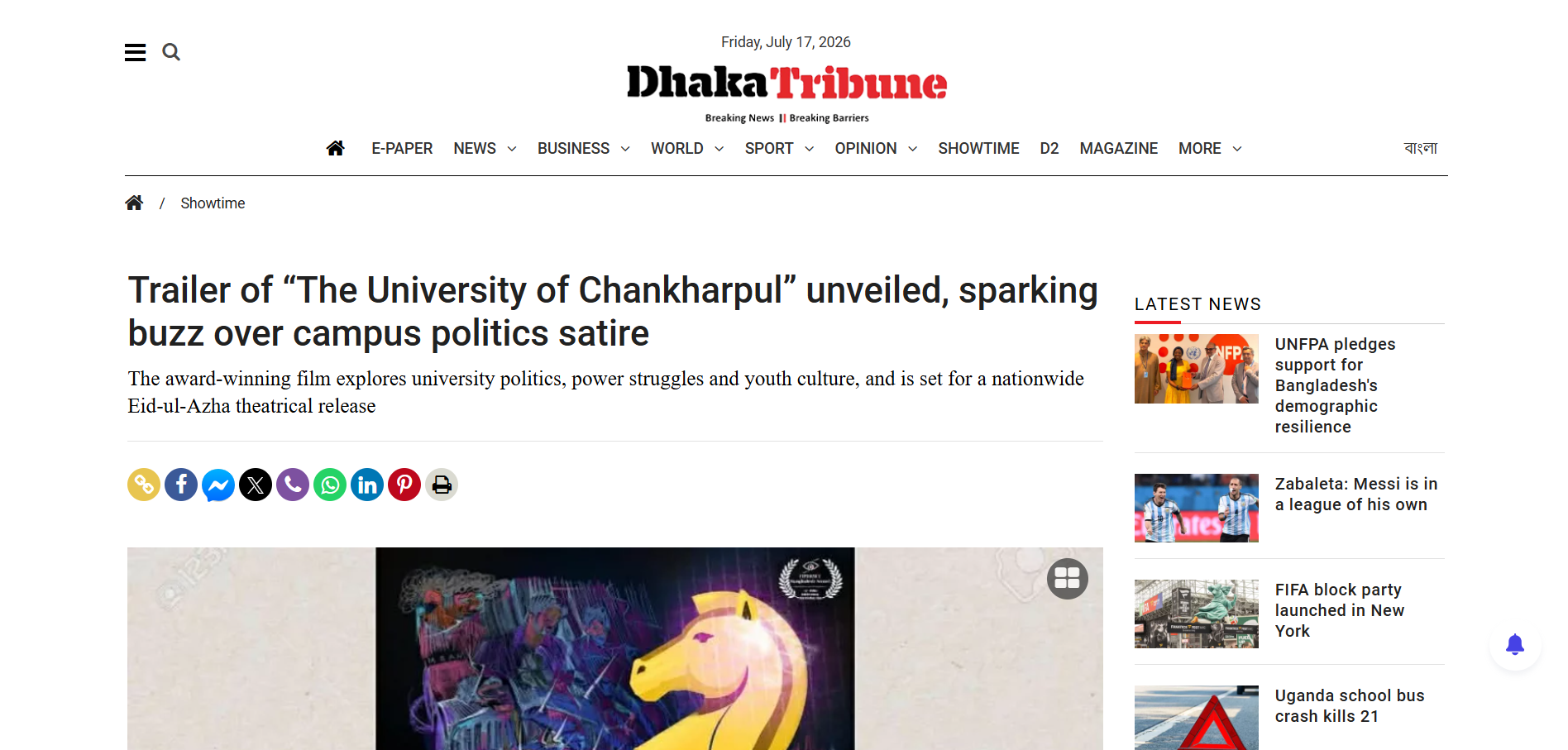
Trailer of "The University of Chankharpul"
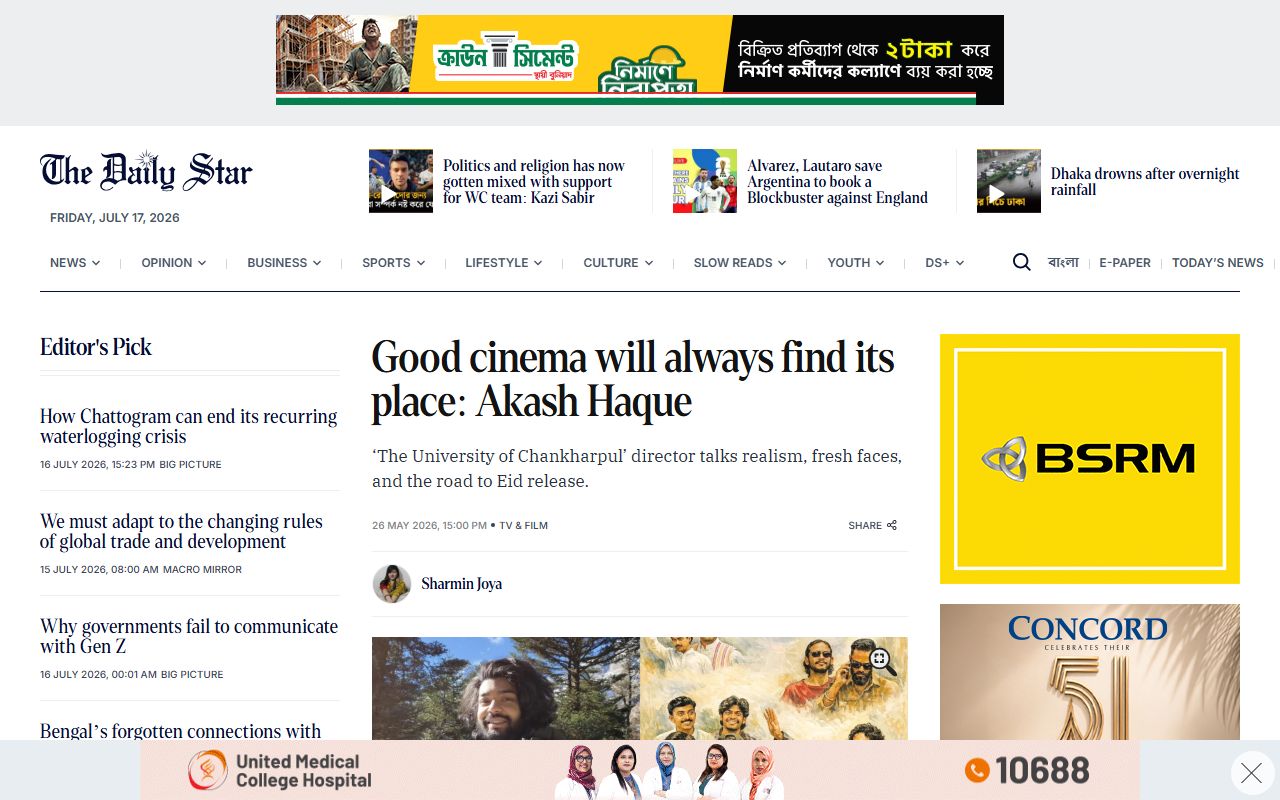
"Good Cinema Will Always Find Its Place" — Akash Haque
View Full Coverage
View Full Coverage

View Full Coverage
View Full Coverage
View Full Coverage
View Full Coverage
View Full Coverage
View Full Coverage
View Full Coverage
View Full Coverage
View Full Coverage
View Full Coverage
View Full Coverage
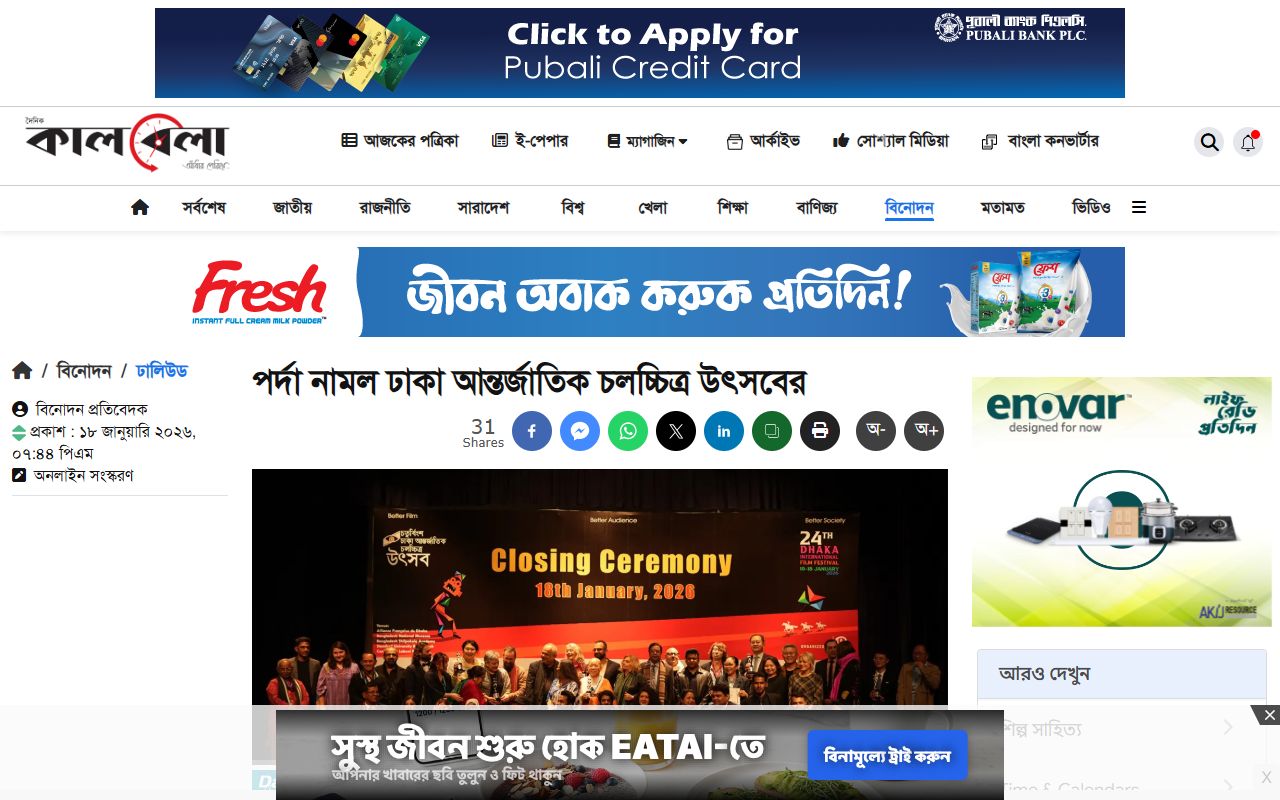
View Full Coverage
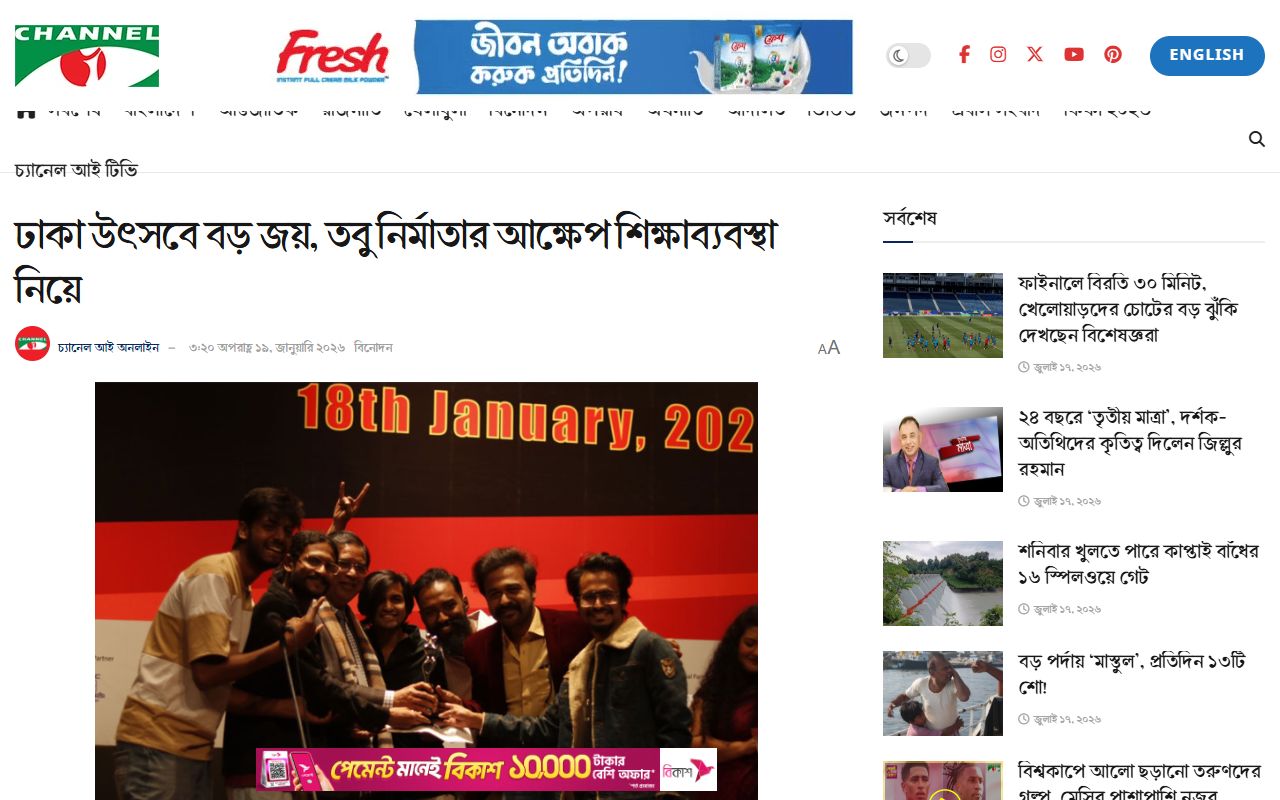
View Full Coverage
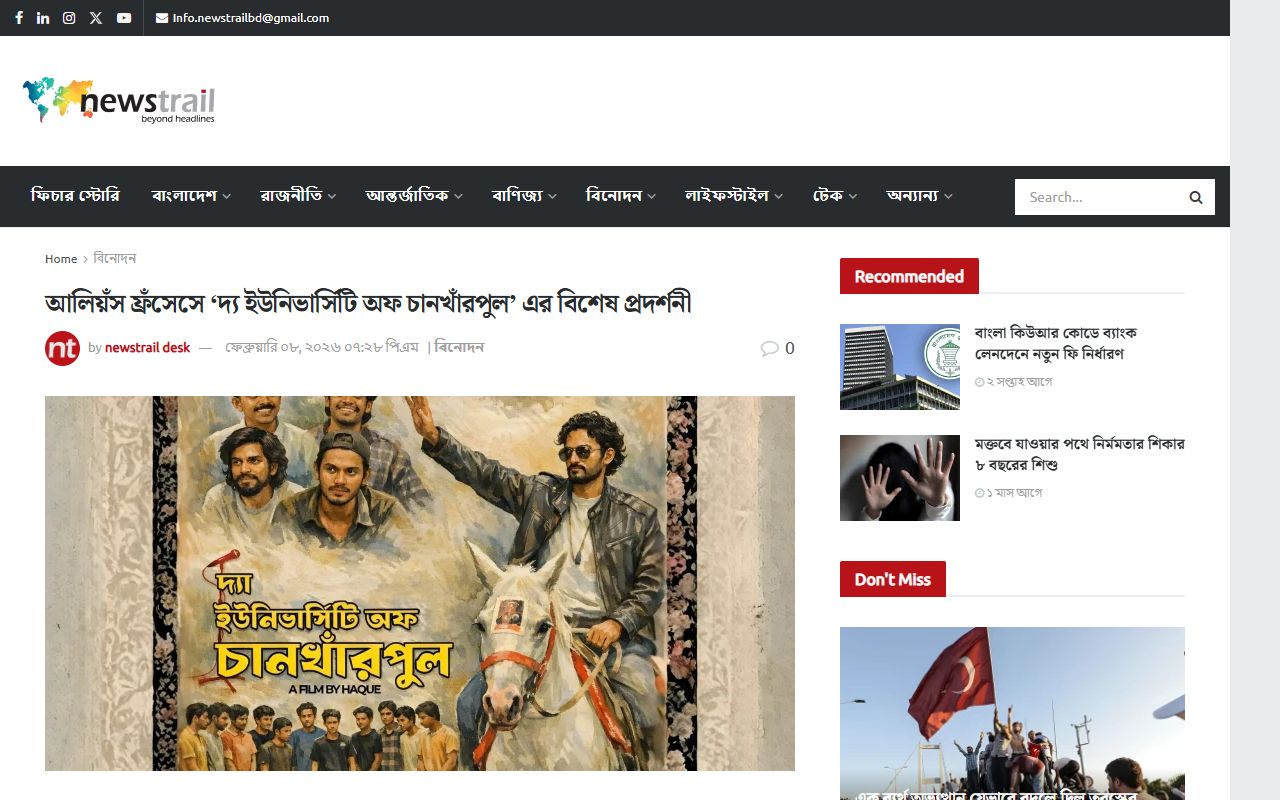
View Full Coverage
View Full Coverage
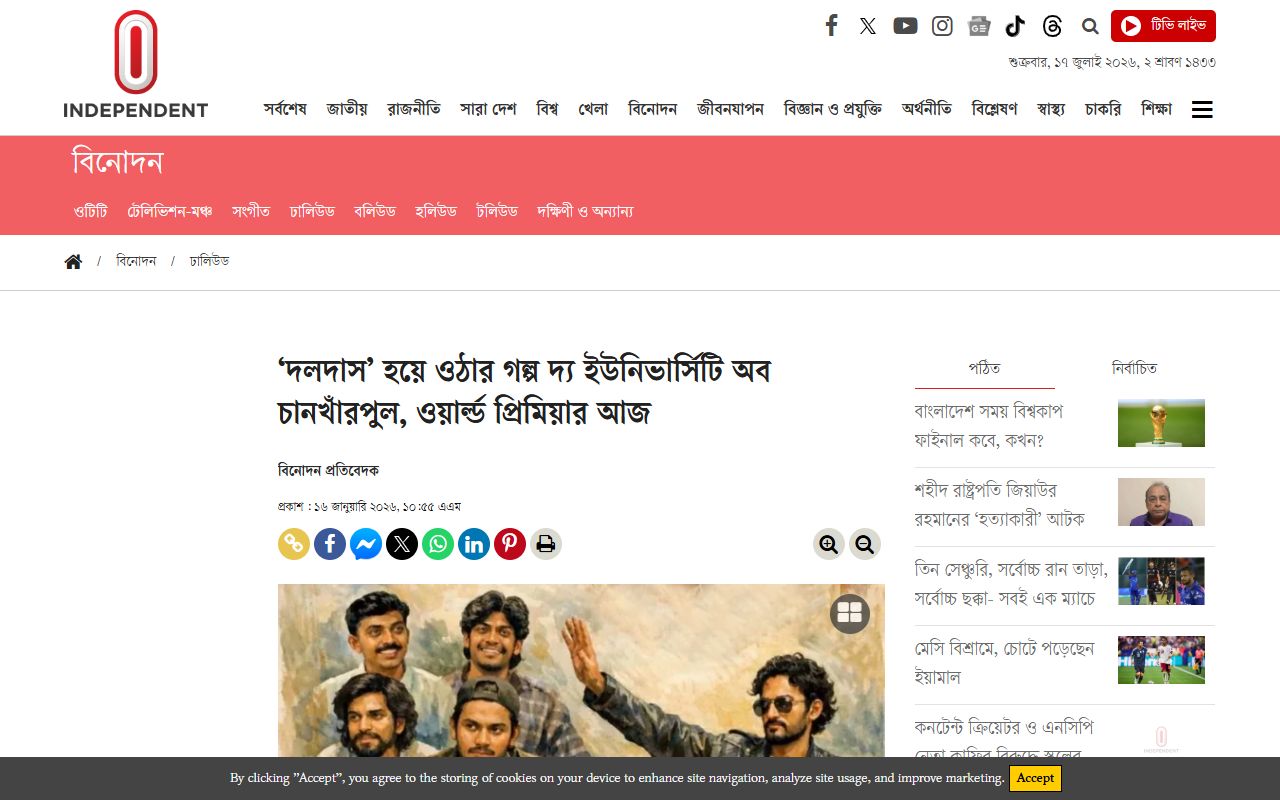
View Full Coverage
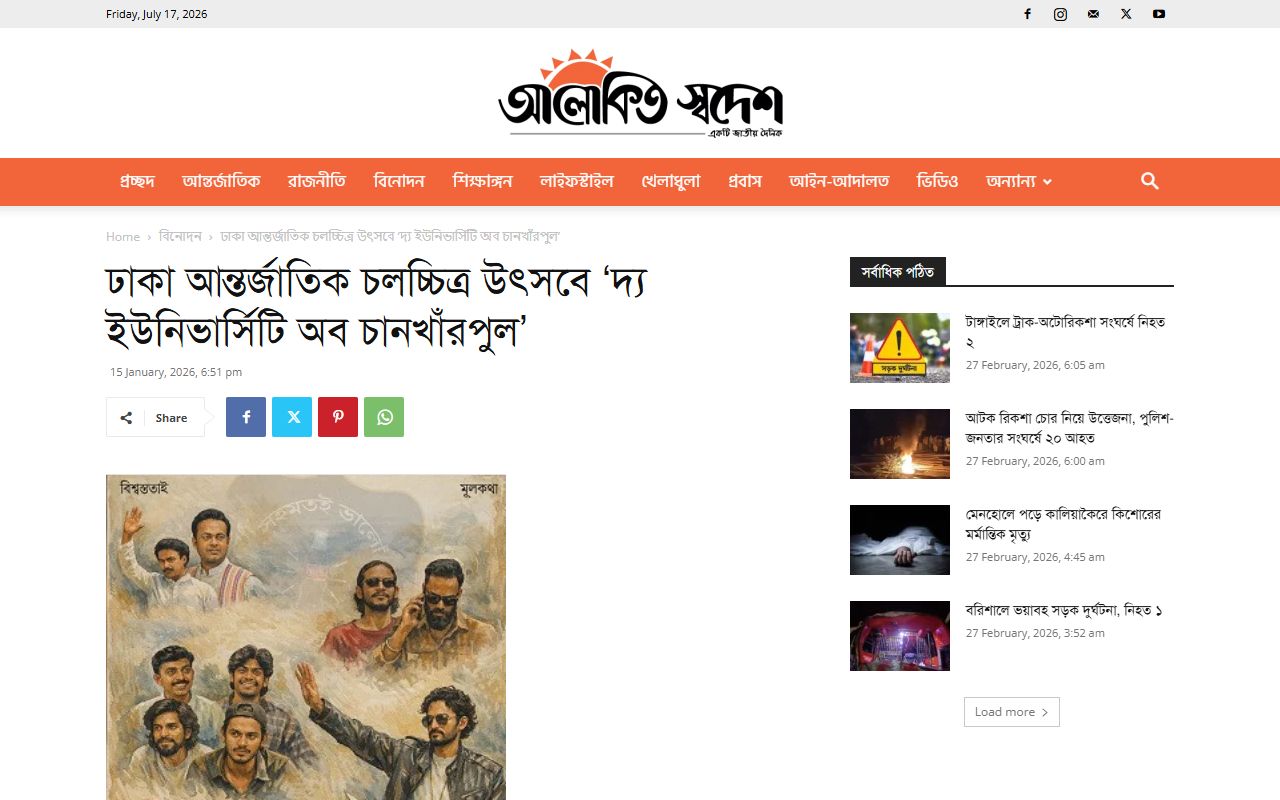
View Full Coverage
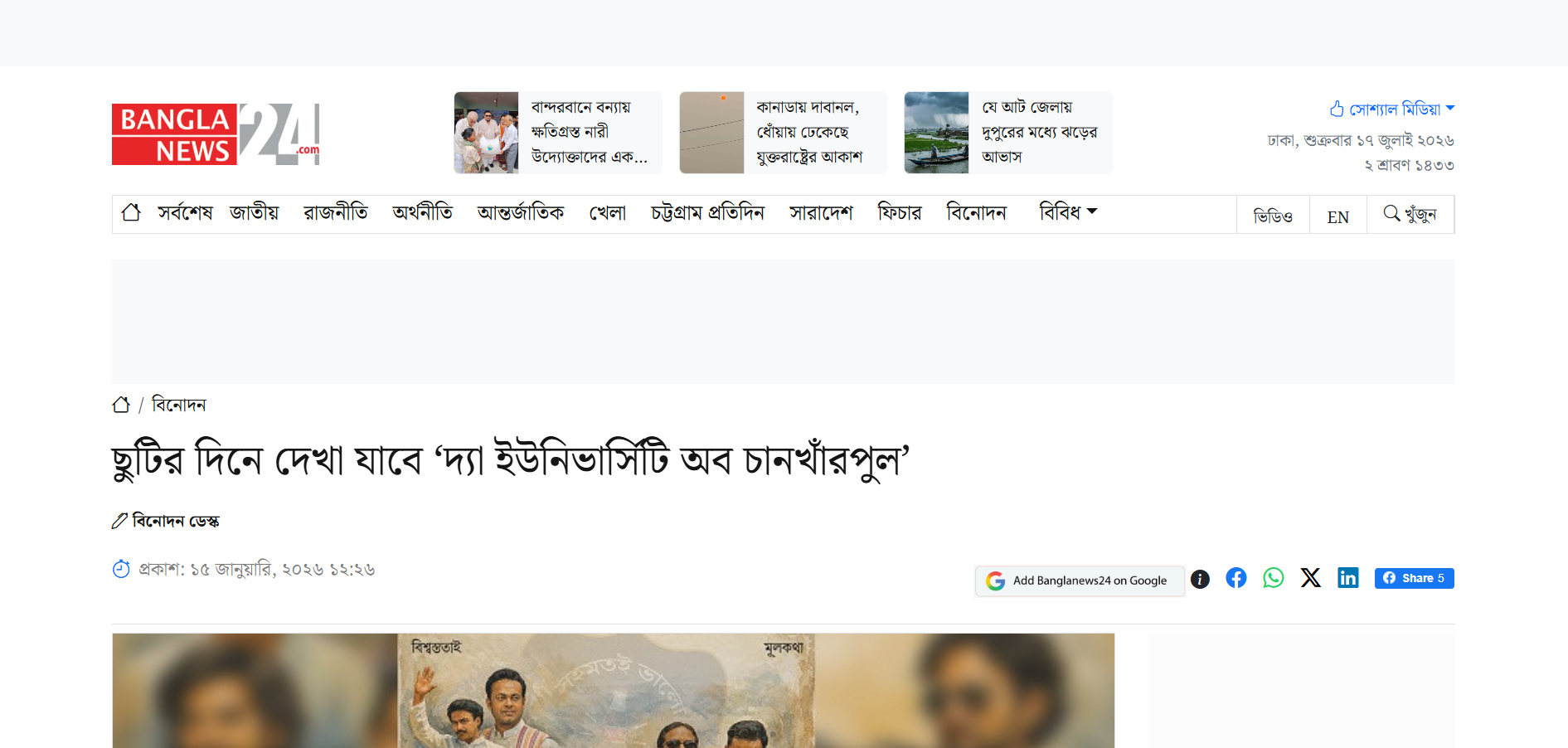
View Full Coverage
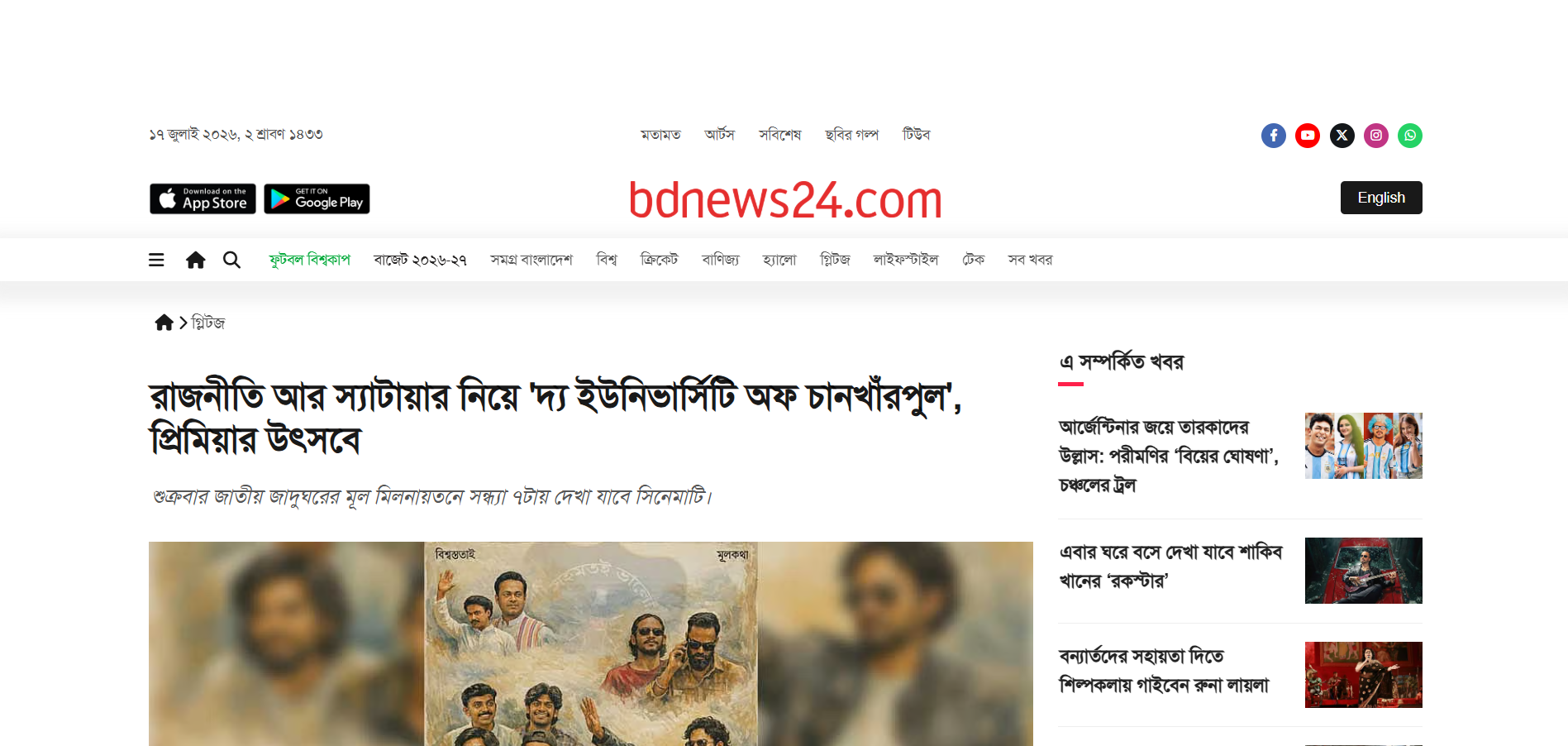
View Full Coverage
View Full Coverage
View Full Coverage
View Full Coverage
View Full Coverage
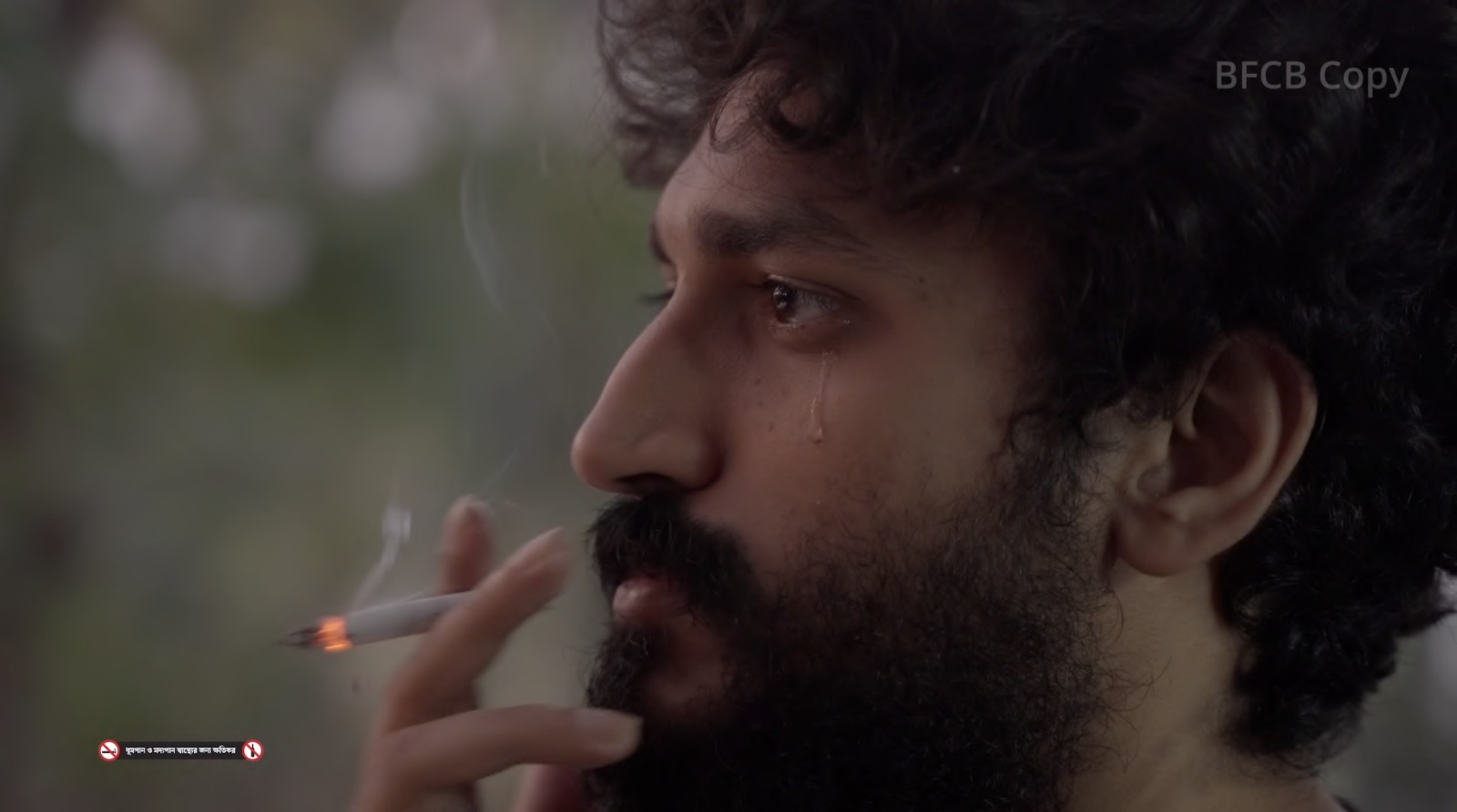
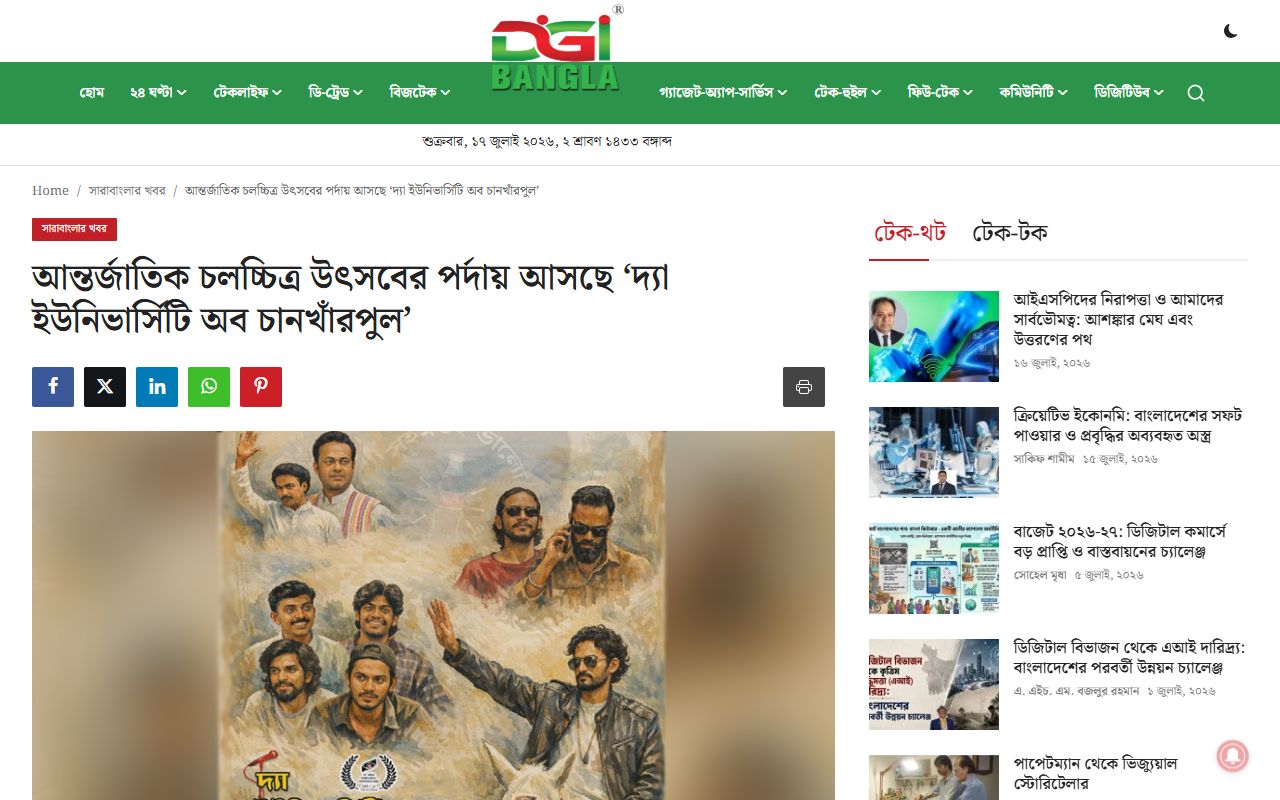
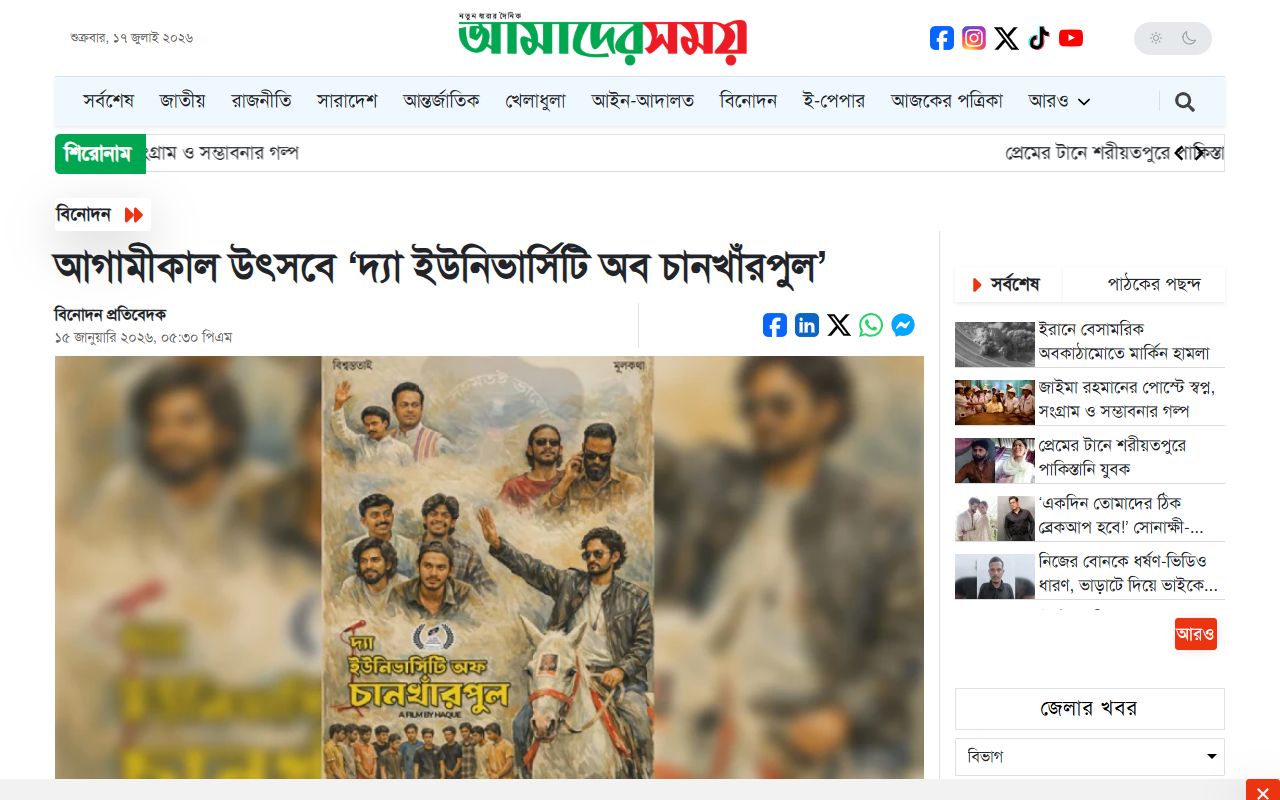
The University of Chankharpul
Synopsis
Unlike universities in most parts of the world, a third-world institution like The University of Chankharpul becomes a gambling arena where ambitious students sacrifice their youth, careers, and principles for a single dream: a political post in a government-backed student wing. A post that promises shortcuts to influence, corruption, and future power.
The film follows a group of friends who enter university as brothers, eating together, marching together, fighting together. But slowly, ambition rips them apart. They begin to compete silently, desperately, to rise in the political hierarchy. Friendship here becomes nothing more than a temporary alliance built only to be broken.
Our protagonist has no name; also no other character does. They are known only as “vai”, “mama”, etc, here, identities shaped by position. Our protagonist dreams of rising in politics but lacks the key tool of networking: a Motorbike. Without family support or income, he sinks into depression, trying every humiliating way to earn one.
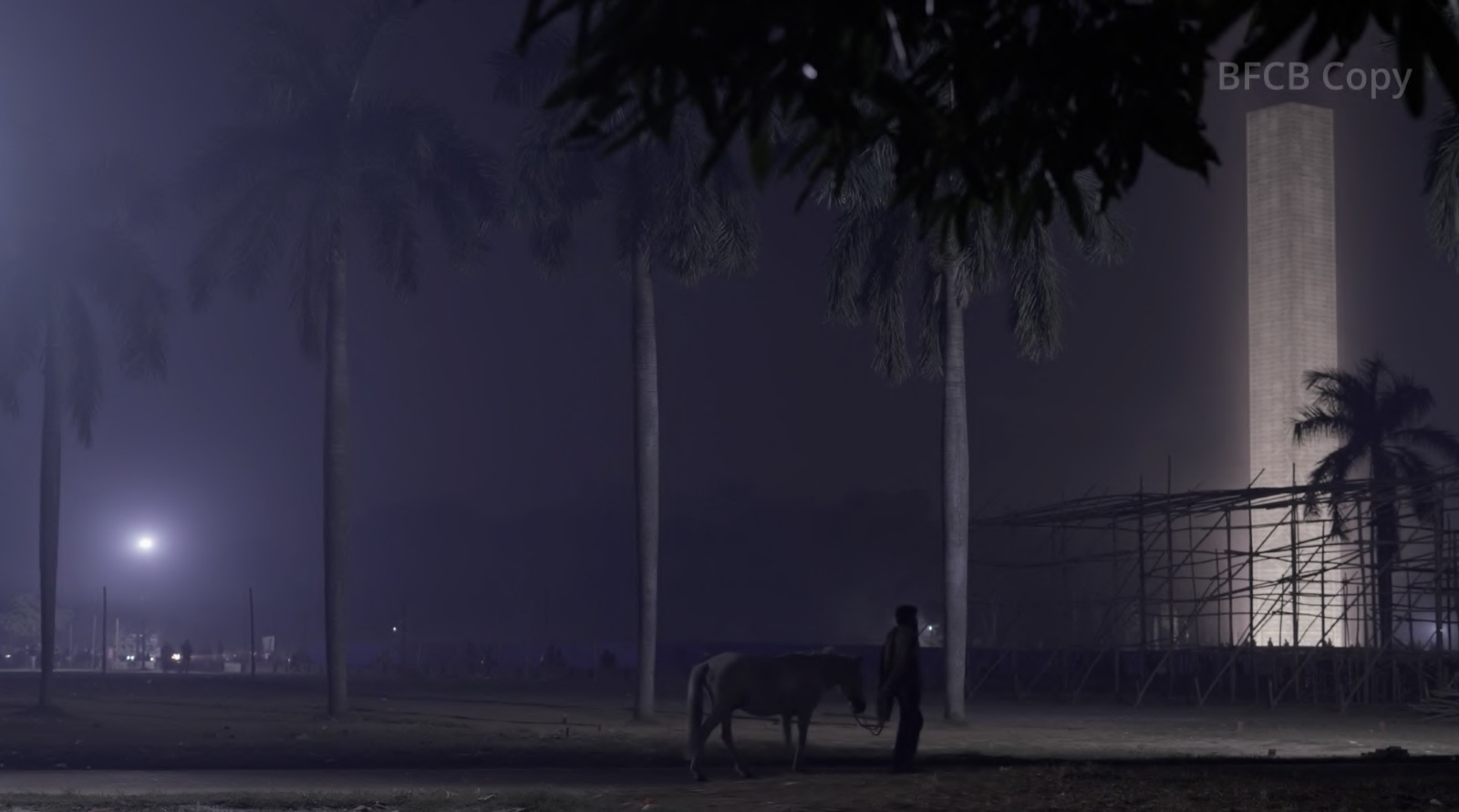
Then one day, he returns to campus riding a Horse. Absurdity becomes power. The horse instantly transforms him into a symbol: stylish, rebellious, and influential. The University President of the student wing notices him, elevates him, praises him, uses him. With the horse comes money, protection, respect. The protagonist’s world flips overnight.
Soon he forgets who he started with. Friends turn into shadows behind him. He becomes the selfish figure he once despised.
Day by day it becomes clear that, In this world, nobody climbs without stepping on someone else.
Director's
Vision
“Identity is conditional. Power is performance. The horse, then, is everything.”
This film is not about student politics alone; it is about the marketplace of ambition in a third-world society. In a world where young people are asked to dream, they are also forced to gamble those dreams in exchange for influence and power. Our characters have no names because identity here is conditional, one is known by his position only. The horse becomes a satire of status. It symbolizes a shortcut, an absurd object that suddenly grants social legitimacy. Students laugh at it as a joke, then worship it as power.
To preserve the raw pulse of this world, the film is shot in real locations using a guerrilla documentary style. The camera behaves like a silent witness: observing, not staging. There is no artificial lighting, no beautification, no makeup to shield the characters from truth. Their tired eyes, dusty shirts, and restless movements belong not to actors but to the reality that millions of students live every day.
This approach allows the viewer to feel the humidity of student hostels, the chaos of campus rallies, the politics hidden in tea stalls. The film observes its characters without judgment. It doesn't ask who is innocent or guilty, it asks what ambition does to innocence in the first place. It explores how deeply young people crave recognition, how cheaply it can be traded, and how tragedy becomes just another stepping stone to power.
⟶ The film ends not with closure, but with a question:
“How much of ourselves are we willing to sacrifice to feel important?”
Latest Release
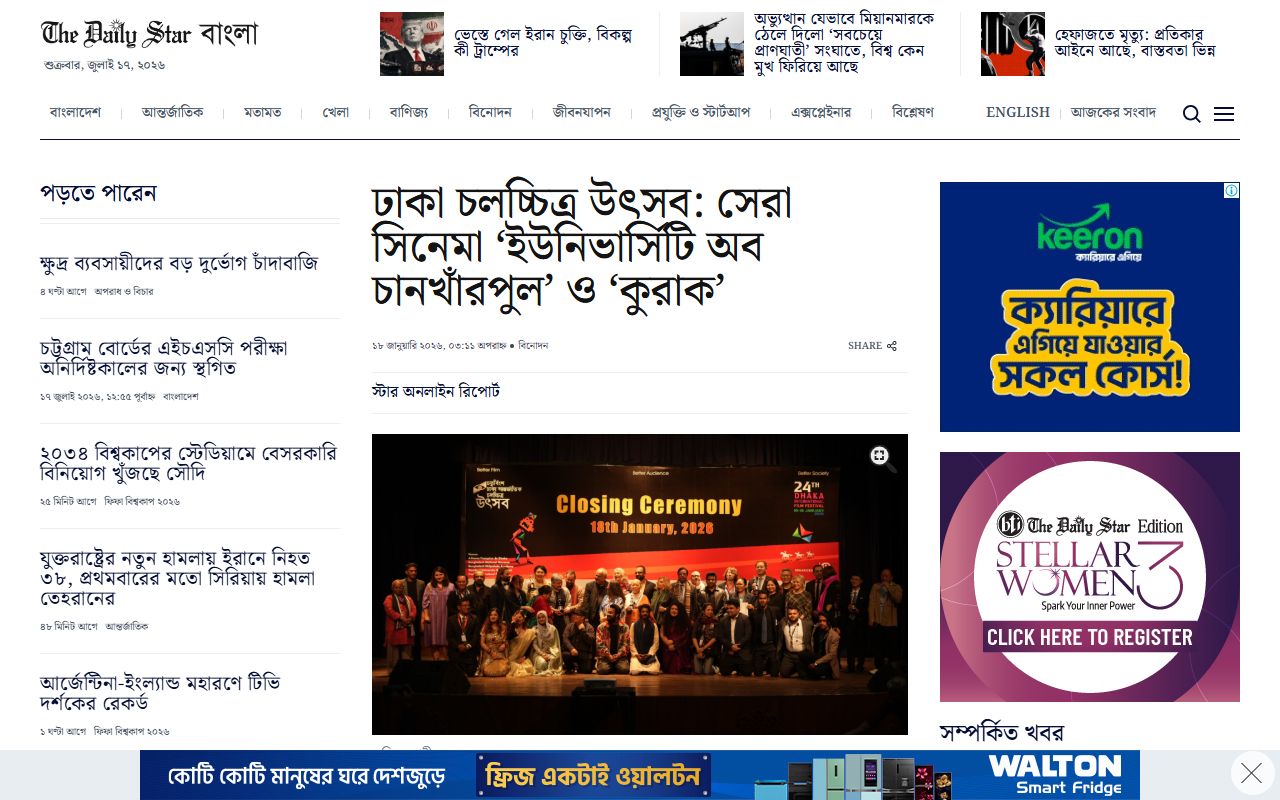
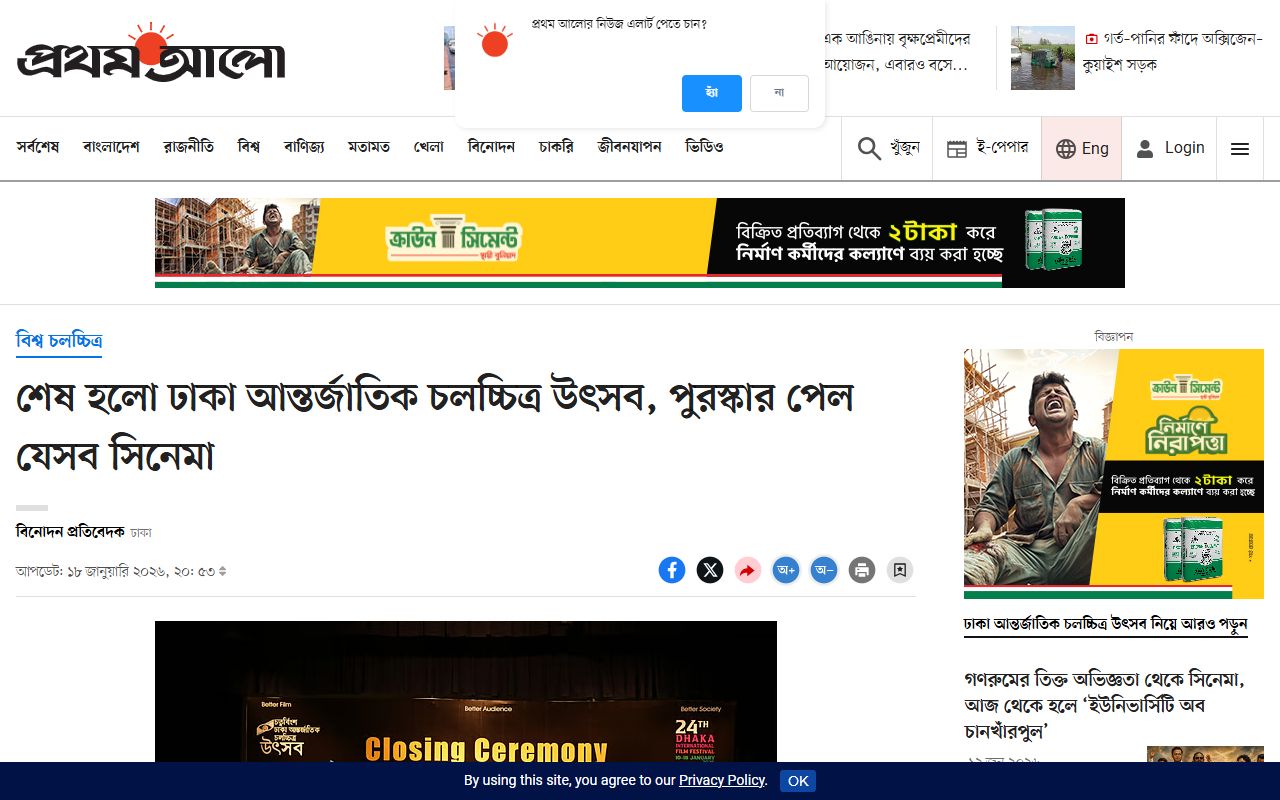
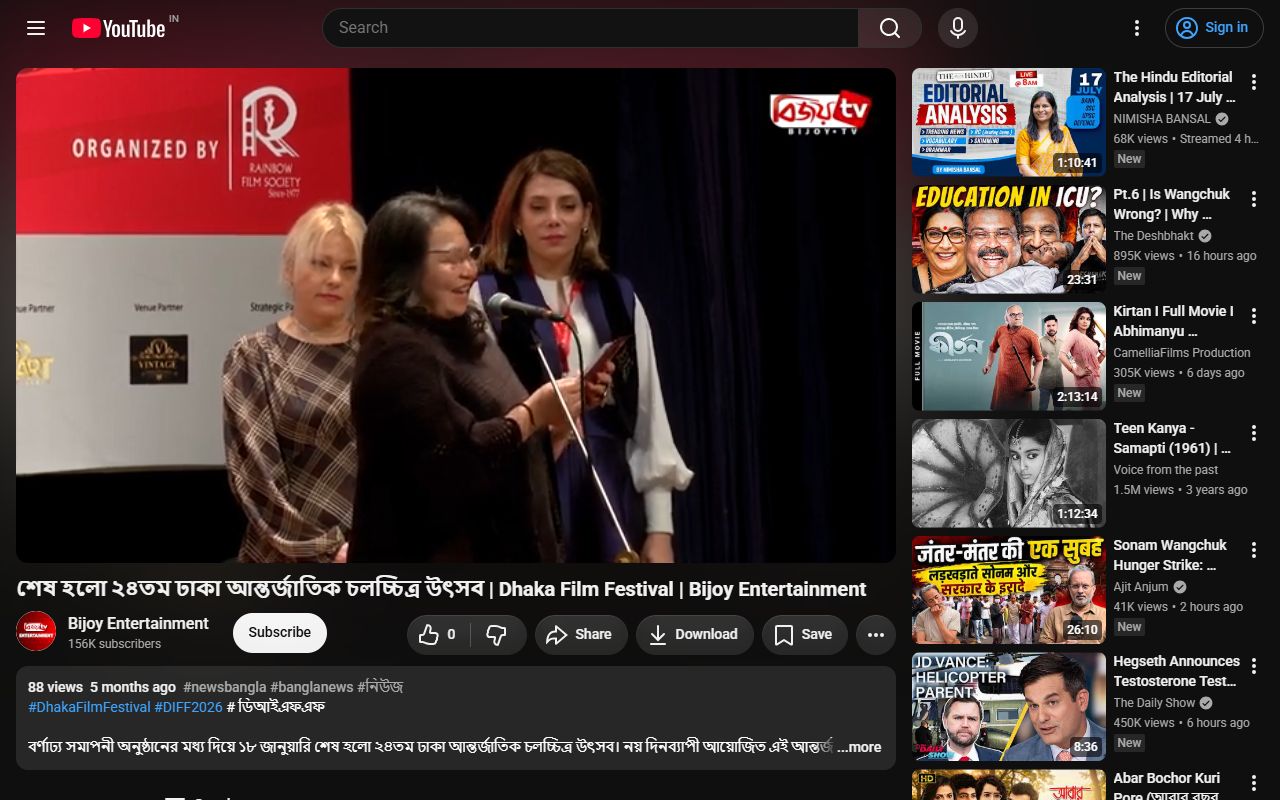
A satirical political drama by Akash Haque. Premiered at the 24th Dhaka International Film Festival.
Posters
Theatrical assets
Trailers
Official film trailers
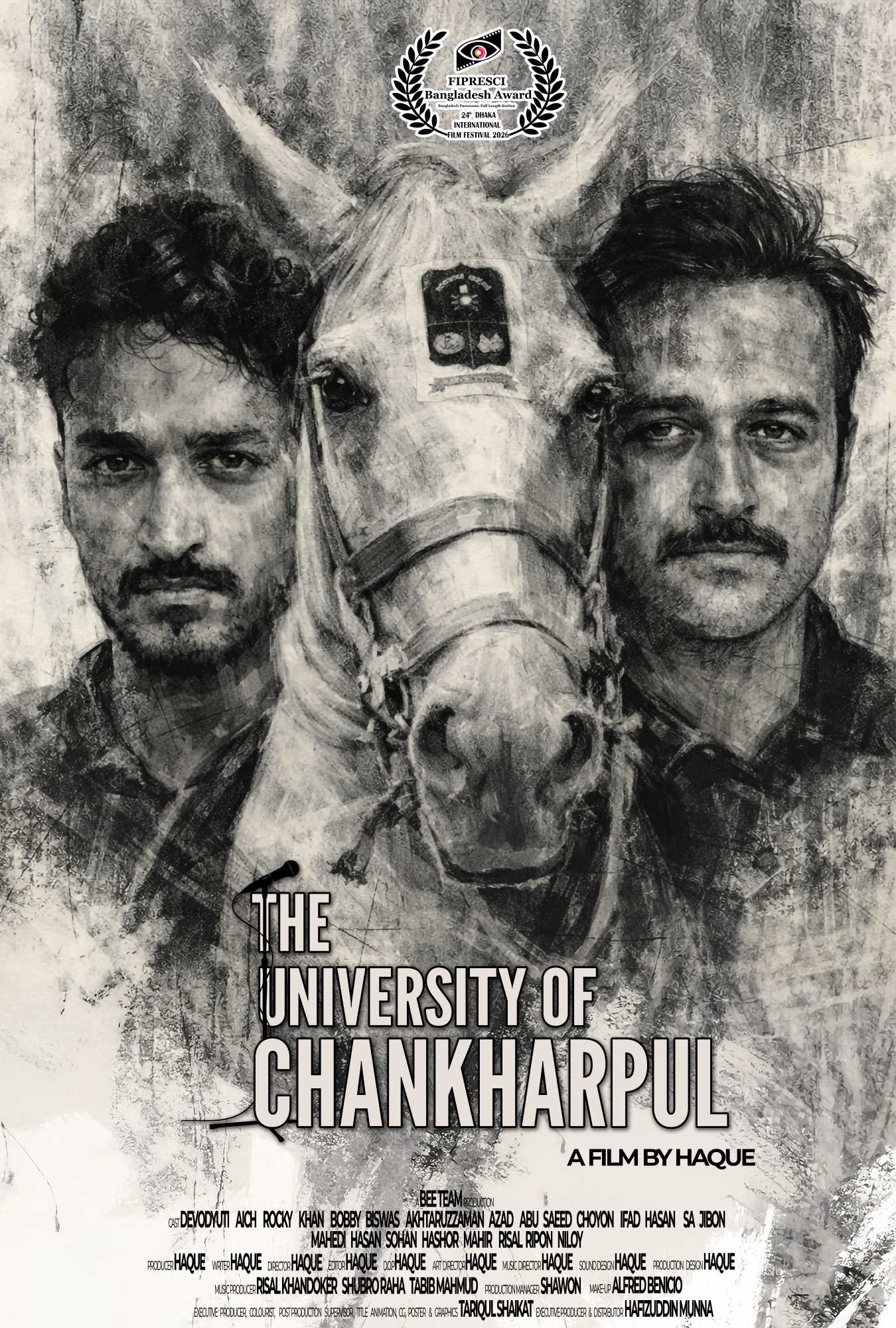
Film
Information
Producer · Writer · Director · Editor · Cinematographer
Akash Haque
Hall of Fame
Verified cinematic certifications and international recognitions for 2026.
Our Works
A curated selection of cinematic narratives and high-impact visual storytelling.